Primeira compra 5% desc. Cupom:BEMVINDO

Natural Products for Pet Anxiety: Efficacy & Safety Guide

Natural Products for Pet Anxiety: A Comprehensive Guide to Efficacy and Safety
Pet anxiety is a pervasive concern for pet guardians, manifesting in various forms from separation distress to noise phobias. While conventional veterinary medicine offers solutions, a growing number of pet parents are exploring natural alternatives to support their companions’ well-being. This guide delves into the efficacy and safety of natural products for pet anxiety, providing an evidence-based perspective rooted in veterinary science and holistic principles. Our aim is to equip you with the knowledge to make informed decisions, ensuring your pet’s comfort and health.
Neste artigo
- Understanding Pet Anxiety: Beyond Behavioral Symptoms
- The Rise of Natural Approaches in Pet Care
- The Role of Aromatherapy in Calming Anxious Pets
- Safe and Effective Essential Oils for Pet Anxiety
- Practical Application: Diffusing Essential Oils for Pet Calm
- Herbal Remedies and Supplements for Calming Effects
- Valerian Root and Chamomile
- L-Theanine and Tryptophan
Understanding Pet Anxiety: Beyond Behavioral Symptoms
Anxiety in pets is more than just a behavioral quirk; it’s a complex emotional state that can significantly impact their quality of life. It can stem from various sources, including genetic predisposition, past traumatic experiences, lack of socialization, or changes in environment. Recognizing the signs is the first step: excessive barking or meowing, destructive behavior, inappropriate urination or defecation, trembling, panting, pacing, or withdrawal. Understanding the root cause is crucial for effective intervention.
“Anxiety in pets is often a manifestation of an underlying emotional or physiological imbalance. Addressing these foundational issues, rather than just suppressing symptoms, is key to long-term well-being,” states Dr. Karen Becker, a prominent integrative veterinarian.
While a veterinarian’s diagnosis is paramount, observing patterns and triggers can help tailor a natural approach. For instance, a dog exhibiting distress during thunderstorms might benefit from different interventions than a cat showing signs of stress after a household move. The goal is to create a calming environment and support the pet’s natural coping mechanisms.
The Rise of Natural Approaches in Pet Care
The increasing humanization of pets has led to a surge in demand for natural and holistic pet care solutions. Pet guardians are seeking options that align with their values for natural living, often prioritizing ingredients that are minimally processed and free from synthetic chemicals. This trend is particularly evident in the anxiety management space, where concerns about potential side effects of pharmaceutical interventions drive the exploration of alternatives. A 2021 survey by the American Pet Products Association (APPA) indicated that over 70% of pet owners consider their pets to be family members, directly influencing their willingness to invest in premium and natural products for health and wellness. This commitment extends to seeking gentle, yet effective, solutions for conditions like anxiety.
The Role of Aromatherapy in Calming Anxious Pets
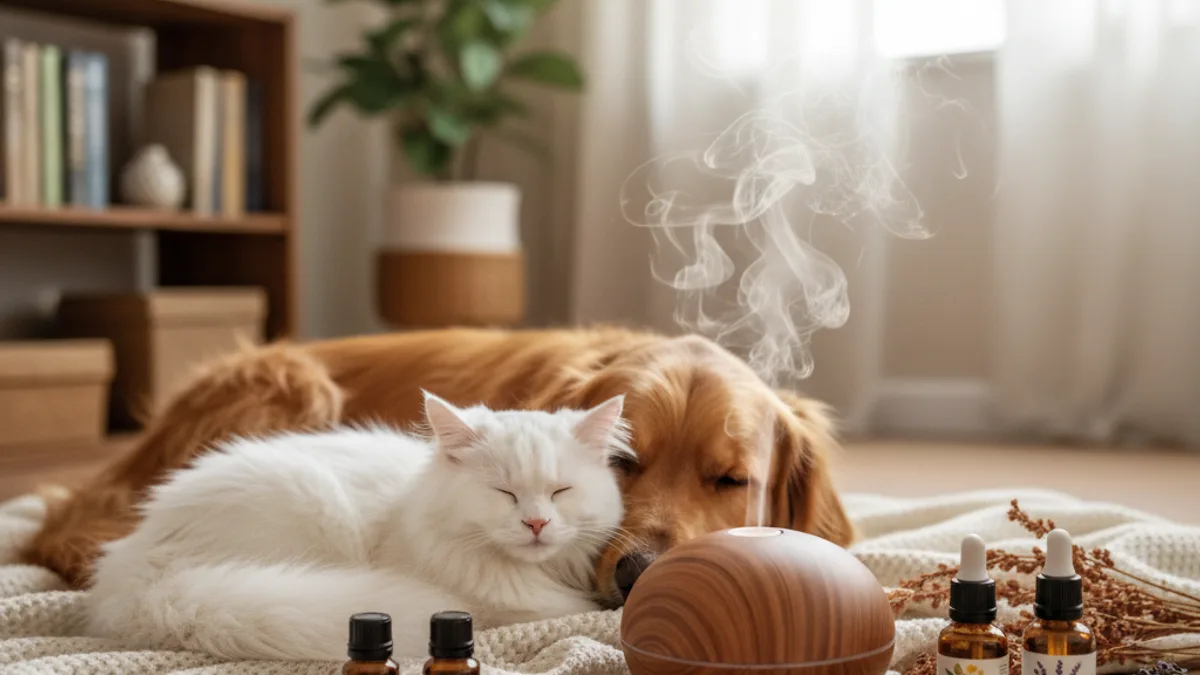
Aromatherapy, the therapeutic use of essential oils, has gained considerable traction in the pet wellness community. When properly diluted and diffused, certain essential oils can have a profound calming effect on both aromatherapy dogs cats. The mechanism involves the olfactory system, where scent molecules stimulate receptors that send signals to the limbic system, the brain’s emotional center.
Safe and Effective Essential Oils for Pet Anxiety
Not all essential oils are safe for pets, and proper dilution is critical. For instance, pure tea tree oil is toxic to pets, while lavender, chamomile, and frankincense are generally considered safe when used correctly.
- Lavender (Lavandula angustifolia): Widely recognized for its calming properties. Studies have shown that lavender can reduce anxiety in animals. A study published in the Journal of the American Veterinary Medical Association found that dogs exposed to lavender scent spent more time resting and less time moving around in a shelter environment, suggesting a calming effect. Source: Journal of the American Veterinary Medical Association ↗
- Chamomile (Roman Chamomile – Chamaemelum nobile): Known for its gentle sedative properties. It can be particularly effective for pets experiencing general nervousness or mild sleep disturbances due to anxiety.
- Frankincense (Boswellia carterii): Offers grounding and calming effects, often used to reduce fear and promote emotional balance. It’s also known for its anti-inflammatory properties, which can be beneficial for overall well-being.
Practical Application: Diffusing Essential Oils for Pet Calm
Tutorial: Creating a Calming Aromatherapy Space for Your Pet
- Select a High-Quality Diffuser: Opt for a water-based ultrasonic diffuser. Avoid nebulizing diffusers, which can disperse too much oil into the air, potentially overwhelming your pet.
- Choose Pet-Safe Essential Oils: Start with a single oil like lavender or Roman chamomile. Ensure the oil is 100% pure therapeutic grade from a reputable supplier.
- Dilution is Key: For general diffusion, use 2-3 drops of essential oil in a full water reservoir (typically 100-200ml) of your diffuser. This creates a very subtle scent.
- Placement Matters: Place the diffuser in a well-ventilated area, away from your pet’s direct resting or eating spaces. Ensure your pet has an escape route to leave the room if the scent becomes too strong.
- Start with Short Sessions: Begin with 15-20 minute diffusion sessions, 1-2 times a day. Observe your pet’s reaction closely. Look for signs of relaxation (e.g., deeper breathing, resting comfortably) or discomfort (e.g., trying to leave the room, excessive licking, sneezing).
- Never Apply Directly: Essential oils should never be applied undiluted directly to a pet’s skin, fur, or ingested. If topical application is considered, it must be heavily diluted (e.g., 1 drop essential oil per 10ml carrier oil like fractionated coconut oil) and applied to a small, accessible area like the back of the neck, ensuring the pet cannot lick it off. Consult with a holistic veterinarian before any topical application.
Case Study: Luna’s Thunderstorm Anxiety
Luna, a 5-year-old Labrador Retriever, suffered from severe thunderstorm anxiety, manifesting as incessant panting, pacing, and hiding. Her guardian, Maria, was hesitant to use sedatives due to Luna’s sensitive stomach. After consulting with a holistic veterinarian, Maria began diffusing a blend of diluted lavender and frankincense in a room adjacent to Luna’s safe space during predicted storms. She started with 15-minute sessions as soon as the weather forecast indicated a storm. Over three months, Luna’s anxiety during storms significantly decreased. She still showed awareness of the storm but would settle down faster and display fewer destructive behaviors. This demonstrates how targeted aromatherapy, combined with a safe space, can provide substantial relief.
Herbal Remedies and Supplements for Calming Effects
Beyond aromatherapy, several herbal remedies and nutritional supplements have demonstrated potential in managing pet anxiety. These often work by supporting the nervous system or balancing neurotransmitters.
Valerian Root and Chamomile
Valerian root is a well-known herbal sedative for humans, and it can also be used cautiously in pets. It’s often combined with other calming herbs like chamomile. These herbs can help reduce hyperactivity and promote relaxation without causing significant drowsiness. They are typically administered orally as tinctures or capsules, with dosages carefully determined by a veterinarian based on the pet’s weight and condition.
L-Theanine and Tryptophan
Amino acids like L-Theanine (found in green tea) and L-Tryptophan (a precursor to serotonin) are popular supplements for anxiety. L-Theanine promotes relaxation without sedation by increasing alpha brain waves. L-Tryptophan can help increase serotonin levels in the brain, which plays a crucial role in mood regulation and reducing anxiety. A study published in Veterinary Medicine International highlighted the efficacy of L-theanine in reducing fear-related behaviors in dogs, noting a significant decrease in anxiety scores after supplementation. Source: Veterinary Medicine International ↗
CBD Oil: A Growing Natural Option
Cannabidiol (CBD) oil, derived from the hemp plant, has gained significant attention for its potential anxiolytic properties. It interacts with the endocannabinoid system, which plays a role in regulating mood, sleep, and appetite. While research is ongoing, anecdotal evidence and preliminary studies suggest CBD can help reduce anxiety, stress, and even pain in pets. It’s crucial to use pet-specific CBD products that are third-party tested for purity and potency, ensuring they are free from THC (the psychoactive component of cannabis) and contaminants. Dosage should always be determined in consultation with a veterinarian, especially one familiar with what is integrative veterinary medicine, as they can provide guidance on safe and effective use.
Environmental Enrichment and Behavioral Modifications
Natural products are most effective when integrated into a holistic approach that includes environmental enrichment and behavioral modifications. Addressing the pet’s overall well-being is paramount.
Creating a Secure and Stimulating Environment
- Safe Space: Provide a designated quiet area where your pet can retreat when feeling overwhelmed. This could be a crate covered with a blanket, a cozy bed in a low-traffic room, or a cat tree for felines.
- Mental Stimulation: Puzzle toys, interactive feeders, and regular training sessions can help alleviate boredom and redirect anxious energy. For dogs, consistent walks and opportunities for sniffing can be incredibly enriching.
- Physical Exercise: Adequate physical activity is vital for burning off excess energy and promoting a sense of calm. The type and duration of exercise should be appropriate for your pet’s age, breed, and health status.
The Role of Routine and Predictability
Pets thrive on routine. A predictable schedule for feeding, walks, play, and rest can significantly reduce anxiety by providing a sense of security and control. Sudden changes in routine can be a major stressor.
Complementary Natural Care Products for Overall Well-being
Beyond direct anxiety relief, several natural care products contribute to a pet’s overall comfort and health, indirectly supporting a calmer demeanor.
Grooming and Hygiene for Comfort
Maintaining good hygiene can reduce discomfort that might contribute to irritability or anxiety. Products like limpa patinhas and banho seco sprays can help keep paws and coats clean without the stress of a full bath, which can be particularly anxiety-inducing for some pets. Regular grooming also provides an opportunity for gentle touch and bonding, further enhancing a pet’s sense of security.
Skin and Paw Health
Dry, cracked paws or irritated skin can be a source of constant discomfort, leading to licking, chewing, and general unease. Using a natural hidratante patinhas can soothe and protect paw pads, while topical balms with ingredients like calendula or aloe vera can address minor skin irritations. A comfortable pet is a happier, less anxious pet.
Natural Pest Repellents
External parasites like fleas and ticks can cause intense itching and discomfort, leading to stress and anxiety. Natural solutions, such as those containing repelente neem oil, offer a gentle alternative to chemical treatments. Neem oil has natural insecticidal and repellent properties, helping to keep pests at bay without exposing your pet to harsh chemicals. This proactive approach to pest control contributes to a pet’s overall physical comfort, reducing a potential source of anxiety.
Integrating Natural Products with Veterinary Guidance
While natural products offer promising avenues for managing pet anxiety, it is crucial to approach their use with caution and under the guidance of a qualified veterinary professional. Self-diagnosis and treatment can be risky.
The Value of Integrative Veterinary Medicine
What is integrative veterinary medicine? It’s an approach to pet care that combines conventional veterinary treatments with complementary therapies, such as acupuncture, herbal medicine, nutrition, and aromatherapy. An integrative veterinarian can provide a comprehensive assessment of your pet’s anxiety, rule out underlying medical conditions, and help you develop a tailored treatment plan that may include both conventional and natural interventions. They can advise on appropriate dosages, potential interactions with other medications, and monitor your pet’s progress safely. This holistic perspective ensures that all aspects of your pet’s health are considered.
Red Flags and When to Seek Immediate Veterinary Care
It’s important to recognize when natural remedies might not be sufficient or when a pet’s anxiety warrants immediate veterinary attention. If your pet exhibits:
- Sudden, severe changes in behavior
- Aggression towards people or other animals
- Self-mutilation (excessive licking, chewing, or scratching leading to injury)
- Inability to eat, drink, or sleep due to anxiety
- Signs of pain or illness
These symptoms require prompt evaluation by a veterinarian to rule out medical emergencies or severe behavioral disorders that may require more intensive intervention.
FAQ: Natural Products for Pet Anxiety
Q1: Are natural calming products safe for all pets, including puppies and kittens?
A1: While many natural products are generally safe, their suitability for puppies and kittens depends on the specific product and the animal’s age and health status. For instance, essential oils should be used with extreme caution and in very diluted forms, if at all, for very young animals due to their underdeveloped detoxification systems. Always consult with a holistic veterinarian before introducing any natural product to young pets.
Q2: How long does it take for natural anxiety products to show results?
A2: The time frame for seeing results from natural anxiety products varies widely depending on the product, the severity of the anxiety, and the individual pet. Some pets may show subtle improvements within days, while others might require several weeks of consistent use to demonstrate noticeable changes. Behavioral modifications and environmental enrichment often yield faster results when combined with natural supplements or aromatherapy. Patience and consistent application are key.
Q3: Can I combine different natural anxiety products, like aromatherapy and a calming supplement?
A3: Combining different natural anxiety products can be effective, but it should always be done under the guidance of a veterinarian, especially one practicing what is integrative veterinary medicine. They can help ensure there are no contraindications or potential interactions between the products. For example, using a calming herbal supplement alongside gentle aromatherapy for dogs and cats can create a synergistic effect, enhancing overall relaxation without over-sedation.
Next Steps
Navigating pet anxiety with natural solutions requires a thoughtful, informed, and integrated approach. By understanding the underlying causes, exploring evidence-based natural products, and collaborating with a qualified integrative veterinarian, you can significantly improve your pet’s quality of life. Start by observing your pet’s specific anxiety triggers and symptoms, then discuss potential natural interventions with your vet. Remember, consistency, patience, and a holistic perspective are your greatest allies in fostering a calm and happy companion.
References
- Journal of the American Veterinary Medical Association: The effect of aromatherapy on canine behavior in a shelter environment ↗ — Study on lavender’s calming effect on dogs.
- Veterinary Medicine International: Efficacy of L-theanine in reducing fear-related behaviors in dogs ↗ — Research on L-theanine’s impact on canine anxiety.